Leave a message on our FACEBOOK site or comment here. We're still monitoring the blog. Individual Noodler's contact information is in the NEXT BLOG (Scroll down to end).
In 2003, a group of about sixty women met each other online for the first time. They were finalists for the Romance Writers of America’s Golden Heart award – the top measure of achievement for unpublished writers in the industry. Like finalists before them, they formed an Internet loop to discuss the upcoming awards ceremony at the national convention, held that year in New York.
Most of these online loops dissolve shortly after the convention, but something happened on the way to the Big Apple. This particular group found they had a level of camaraderie unknown to them before, and they stayed together. They even named themselves. When one member expressed doubt about her worth and talent, another threatened to cover thrash her with a wet noodle for doubting herself.
That’s how the Wet Noodle Posse was born.
We shared some of our thoughts and talent, first with an ezine, later with a blog, but our lives have become progressively busier and we've had to change our focus once again.
We're all doing different things. Many of us are published, most of us are still writing, and some of us have put other interests as primary. But we're still around!
We're looking into a Facebook fan page for the Wet Noodle Posse, a place where we can keep you informed of our activities and books and you can tell us what is happeniing with you!
Should auld acquaintance be forgot, and never brought to mind ? Should auld acquaintance be forgot, and auld lang syne ?
For auld lang syne, my jo, for auld lang syne, we’ll tak a cup o’ kindness yet, for auld lang syne.
Robert Burns adapted this song from an old Scottish folk song and since that time we've sung it on New Year's Day and other celebrations of new beginnings and fond farewells. So it seems fitting to start this blog with the familiar lyrics.
You see, we Noodlers have made the very difficult decision to say farewell to this blog.
Our decision did not come easily. We love the little community that's formed around the blog. We love sharing our thoughts about life, whimsy, and writing. We started a little over four years ago with lots of enthusiasm and lots of us participating. We've experimented with different ways of doing the blog, from whatever we felt like writing, to a focused preparation for the Golden Heart, to a year of writing, to a theme of the month. We've actually hit our stride with this last year, providing variety that well-suited our individual voices.
But the last four years have brought many changes. More and more of us have published books and, as all women in today's world know, our lives have gotten busier. The internet world has changed, as well, bringing its own demands of other social networks, such as Twitter, Facebook and My Space. We've all branched out, each moving in the direction best for us. As a result, we've had less time to devote to the Wet Noodle Posse blog.
So we made the decision that it was time to say good-bye.
Our website http://wetnoodleposse.com/ will remain up for the time being but that, too, will eventually be gone. If you remember our ezine days, all the articles are there, so go back and save the ones you want while you can still find them. We'll be keeping the blog up, too, at least for now, with links to where you can find each of us, our own personal blogs, websites, twitter, facebook , etc. We might also have special announcements, too, but nothing specific is planned, so best to check on us individually.
Before the posting with our new links, though, we'd like to take time to say good-bye to you, our readers. You have made this blog special to us and we will miss gathering together with all of you.
So please take a little time to say good-bye. Tell us what you liked about our Wet Noodle Posse blog. Did you have any favorite ones? Any that meant a lot to you?
We'll remember you and our time together. In fact, we'll tak a cup o’ kindness yet, for auld lang syne. This version of the song conveys the proper mood:
I doubt He came to chants of angel choirs, or that His birth was heralded afar. We charge the tale as afterthought requires, convert a feeble candle to a star, bring Eastern kings to worship at the byre.
More like, some older woman from the inn sent Joseph to heat water at the fire, and helped the frightened girl to usher in the wrinkled, squalling Babe, and tore a clean old linen sheet to make the swaddling bands; then, having finished, left the girl serene and trudged back to her room to wash her hands.
I find the daily miracles of earth sufficient portents for a Savior's birth.
I love listening to Christmas music and watching holiday movies. There is something special about bells ringing, twinkling lights, and decorated trees to mark the end of another year. I feel a little melancholy to see the year end, but I am also filled with hope for the new year. I don’t like to look back and see that the year has passed in a foggy blur (been there, done that) so I now try to give each year a theme. For instance, 2007 and 2008 were filled with positive thoughts and gratefulness. Very exciting years for me. 2009 was about change, scary at times, but all good. I want 2010 to be about adventure…learning, exploring, taking risks. Sounds fun, doesn’t it?
How about you? Can you sum up the last year or two? What did you do? What did you accomplish? Or did you focus on family and your home? Are you looking forward to the new year?
Pictures: My house in Sacramento after it SNOWED!!! And cute snowman my husband made for me.
This is the short romance I sold to Woman's World that appeared in the December 20, 2005 issue. I hope you enjoy. And may all your Christmas wishes and dreams come true!
The Christmas Wish
Carrie finished her work and hurried outside to catch the last bus. She hated working late, hated standing in the dark, freezing, as she waited for the crowded bus. Tonight would be worse than usual since it was Christmas Eve and the bus would be filled with shoppers.
When it finally arrived, the bus looked as if it couldn’t hold another passenger. Carrie took a deep breath and pushed her way through the crowd.
There wasn’t a single seat left, and not much in the way of standing room. She smiled and grabbed a spot in front of a man decked out in full Santa gear. As a child she’d loved her holiday visits to Santa and still remembered her disappointment the year her mother told her she was too big to sit on Santa’s knee.
The bus lurched forward and almost sent Carrie flying. Santa grabbed her arm and held her in place. “Thank you,” she said. “This is going to be a long ride.”
Santa smiled. “I’d offer you my seat, but with this bulky costume, I wouldn’t fit in the aisle.”
His voice was deep and smooth, and he sounded younger than she’d expected. His blue eyes twinkled when he smiled, making Carrie wish he’d pull off the fake beard so she could see his face. “That’s okay,” she said. “I’m fine.”
That wasn’t quite true. She was far from her family on the night before Christmas, and she’d be spending Christmas day alone for the very first time. Unexpected tears welled in her eyes at the thought of the lonely night and day ahead of her.
“Hey, are you sure you’re okay?”
Too choked up to speak, Carrie just nodded. Looking around at the other passengers, she saw that most of them were with someone else, chatting animatedly. Only she and Santa Claus seemed to be traveling alone.
The bus pulled to a stop and more passengers crowded on. Carrie let go of the pole and scooted back against Santa’s legs to make room for a woman with an armload of boxes. When the bus pulled away, she found herself sitting in Santa’s lap.
Before she could scramble to her feet, the woman with the boxes had taken her place at the pole and blocked Carrie in. “This is so embarrassing,” she said to Santa. “I’m so sorry.”
“I’m not. You’re the best-looking female I’ve had on my lap all day. And as long as you’re here, why don’t you tell me your name and what you want for Christmas?”
Carrie laughed and brushed the tears from her eyes. “I’m too old to believe in Santa Claus.”
“It’s not a matter of age. It’s a matter of faith. Now what would you ask for if you could have anything?”
Carrie sobered as she thought of her greatest wish. “I’d wish I could be with my family for Christmas.”
“Where are they?”
“In Colorado. I just moved to Chicago to start a new job and I couldn’t afford to fly home. This will be my first Christmas alone.”
Santa looked thoughtful. “Well, my sleigh will be full tonight, so I can’t fly you home. But I might be able to offer you the next best thing.”
Carrie smiled at the thought of arriving on her parents’ rooftop in a sleigh. “And what would that be?”
“You could come spend Christmas with me and my family.”
Carrie turned to look at him, to see if he was serious. From the look in his eyes, he was. “I appreciate the offer, but I don’t even know you and your wife probably wouldn’t want a stranger in her house on Christmas.”
Santa shook his head. “I don’t have a wife—Christmas is at my parents’ home, complete with two brothers and a sister, and seven nieces and nephews. There will be plenty of chaperons, and I can guarantee you my mother would be thrilled if I brought someone home for the holiday.”
He grinned, and Carrie realized she’d seen that grin somewhere before. “Do I know you?”
Santa whispered conspiratorially, “I’m wearing this beard for a reason, but if you’ll promise not to say anything…” He pulled the beard down just long enough for her to get a good look at his face.
Her eyes widened. “You’re--”
He placed a finger across her lips. “Shhh. You promised.”
“What are you doing playing Santa Claus?” Carrie couldn’t believe she was sitting on the lap of a well-known news anchor and that he’d invited her home for Christmas. “And why are you riding the bus?”
“I played Santa for the kids at Children’s Hospital today, and I loaned my mother my SUV so she could pick up a large gift for my dad. So, do you accept my invitation?”
She had a choice between Christmas alone and Christmas with a large family and a man she’d admired each night on the evening news. It wasn’t a difficult decision. “If you’re sure, I’d love to accept.”
He nodded. “I’m sure. And if you’re not busy tonight, would you have dinner with me? And then could you help me wrap a bunch of packages I left until the last minute?”
“I’d love to. And I’m an expert wrapper.” Maybe there really was a Santa Claus after all, Carrie thought as she remembered his words. It’s a matter of faith.
Noodlers celebrate this last week of our Home for the Holidays theme with the following blogs:
Monday, December 21st: Tori ScottThe Christmas Wish Tuesday, December 22nd: Theresa Ragan TBA Wednesday, December 23rd: Delle JacobsVideo Christmas Card Thursday, December 24th: Karen Potter TBA Friday, December 25th: Diane GastonHappy Holidays to All
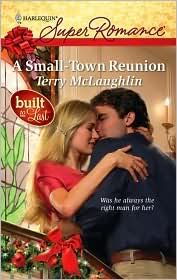
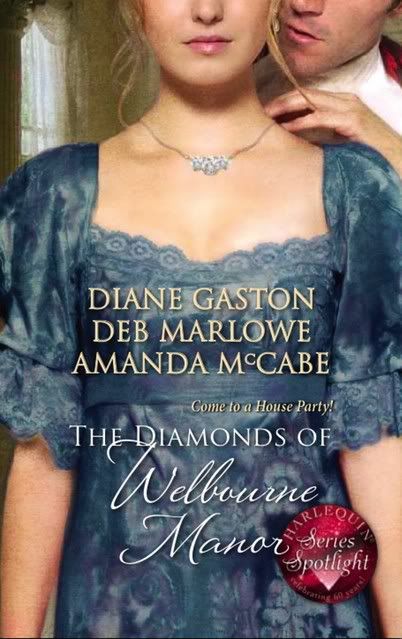
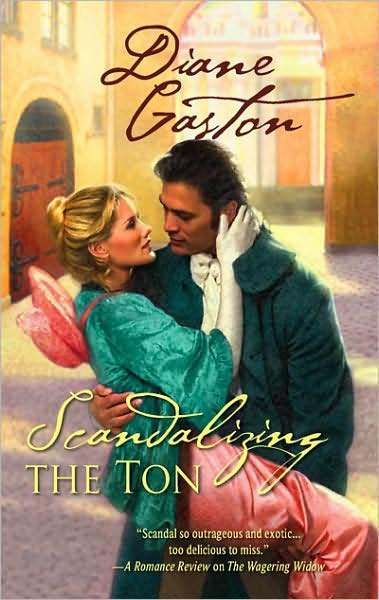
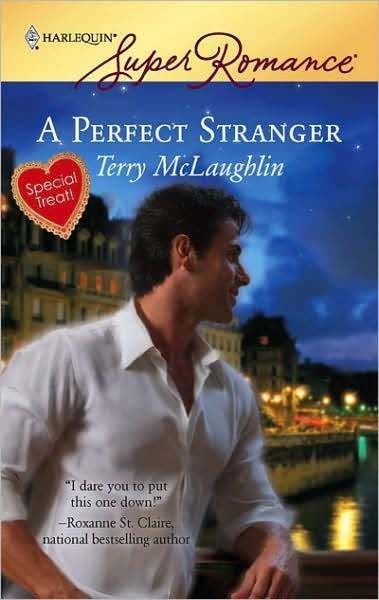
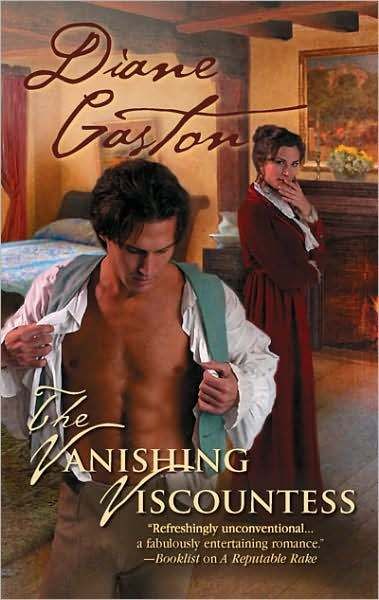
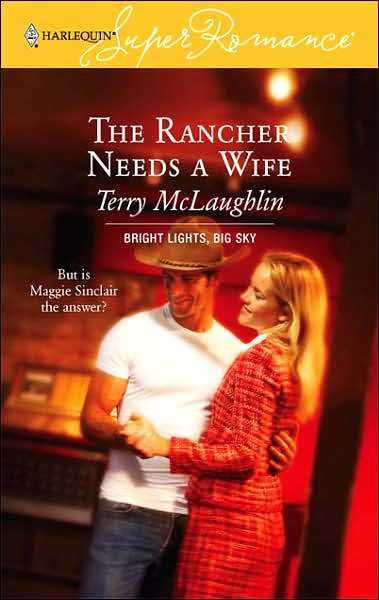
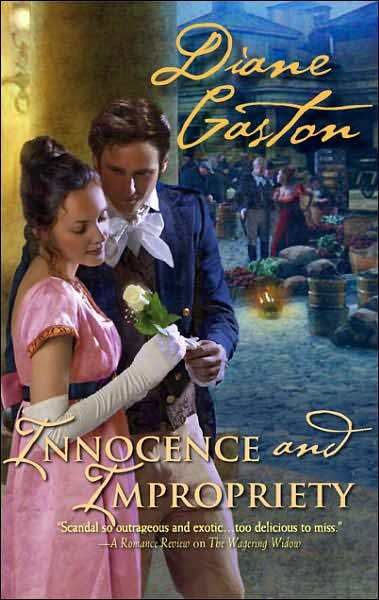
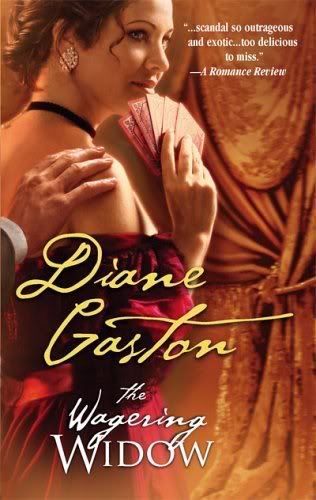
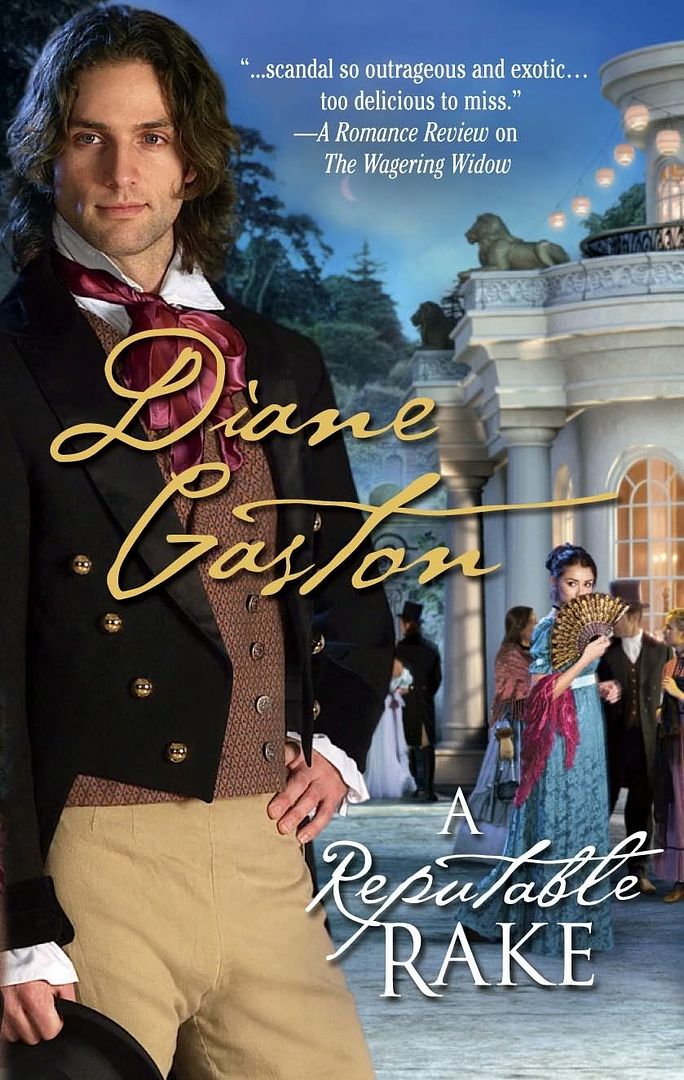
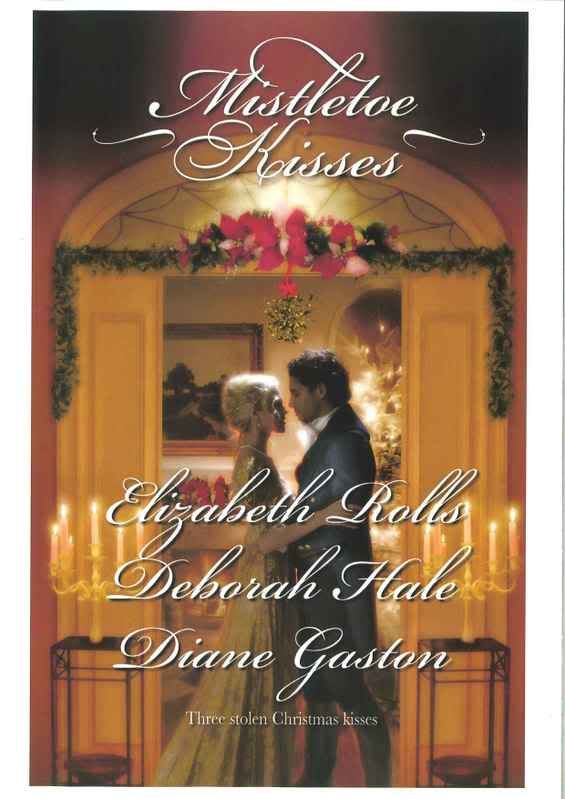
One of the things I enjoy doing during the holidays is buying books for myself and reading them. While my husband drives, I read. I picked up Diane Gaston's Gallant Officer, Forbidden Ladyand Terry Mclaughlin's A Small-Town Reunion, which I'm saving for the trip to Louisiana to visit family and friends.
Diane Gaston
Gallant Officer, Forbidden Lady
The battlefields of Badajoz are nothing compared to the cutting tongues of polite society, but Jack Vernon has never been very "polite." A canvas is this brooding artist's preferred company—having once been the outlet for the horror he witnessed at war, it's now his fortune.
Painting the portrait of stunningly beautiful Ariana Blane is his biggest commission yet. Learning every curve of her body ignites feelings he thought were destroyed in battle. But he's not the only man who has Ariana in his sights….
Terry McLaughlin
A Small-Town Reunion
Addie Sutton's stained-glass window business may be this close to bankruptcy, but she won't give up, even if it means she'll have to see Devlin Chandler again. All right, so she's still in love with the bad-boy heir to the Chandler estate. Though Addie's too smart to go after a man she knows isn't right for her, especially with the tangled history between them.
But Dev's intent on pushing the envelope. He's always been attracted to the former housekeeper's daughter and wants to see where their relationship could lead. Addie tells him where—to heartbreak. Can he convince her that special something between them is worth taking a chance on?
What sort of books would you like to see on the shelves in 2010? Is there a particular time period, setting, or subgenre that you're hoping to see expand in the new year?
Every Christmas we have three traditional goodies that we make. First, I make sugar cookies made in the shapes of bells, trees, Santa, snowmen, candy canes and angels. Then I decorate them. When my girls were little, they were thrilled when they got to help frost the cookies and put sprinkles on them. Now they consider it a chore when they come to my house because they have already made them on their own. Here's the recipe for the BEST sugar cookies around.
Basic Sugar Cookies
4 cups flour 3 tsp. baking powder 1 tsp. salt 1 cup butter 1 1/2 cups sugar 2 eggs 2 tsp. vanilla 1 T. milk
Combine flour, baking powder and salt. Cream together butter and sugar: add eggs and beat until smooth and fluffy. Stir in vanilla. Add flour mixture and milk alternately. Chill cough until easy to handle. Roll out dough on floured board and cut to desired shape with cookie cutter. Decorate as desired.
Another favorite is Chocolate Nut Caramels. My grandmother made them when I was a kid, and we've passed the recipe down through the generations. These are a tasty treat.
Chocolate Nut Caramels
2 cups sugar 1 1/2 cups white corn syrup 2 cups cream 3 squares of bitter chocolate, cut in small pieces 1 cup butter 1 1/2 cups chopped walnuts 2 tsp. vanilla
Combine sugar, syrup, butter and one cup of cream in a large pot such as a dutch oven. Cook over medium heat until the mixture comes to a brisk boil. Slowly add the remaining cup of cream so that the mixture doesn't stop boiling. Boil until a thread is brittle in cold water. Or if you have a candy thermometer, boil until it is a soft ball. Remove from heat and add the chocolate and nuts. Beat until the chocolate is melted. Add vanilla and pour into a shallow buttered pan to cool. When cool, but into 1 inch squares.
Finally, my husband makes Rozak. This is a nut roll that his dad used to make at Christmas. Since my father-in-law has passed away, my husband carries on the tradition. This is definitely a family favorite.
Rozak
1 pound of light brown sugar 1/4 cup flour 1 large can of evaporated milk 1 stick butter 1 tsp. maple flavoring 3 1/2 cups ground walnuts 1/2 cup coconut My husband adds cinnamon to taste
Make roll dough mix or use Pillsbury dough from the dairy case. You will need enough dough for four large rolls. Roll the dough into a 9x14 rectangle.
Mix sugar, flour milk, and margarine and cook until thickened, about 10 minutes. Fold in remaining ingredients. Let mixture cool slightly before spreading on the rolled out dough. Roll up like a jellyroll. Pinch ends to hold filling. Place on a cookie lightly greased cookie sheet. Bake at 400 degrees for 15-20 minutes or until golden brown. Brush the with melted butter as soon as removed from the oven.
Give an Early Party to Start the Holiday Season by Debra Holland
For the last four years, my boyfriend, Don, and I have hosted a Christmas Open House on the first Sunday in December. By now, all our friends and family members know to keep that date in their calendars.
We invite about 125 people, so preparing for the party is a LOT of work. But it’s catered, so we don’t have to think about food--just all the other details. Don has a large beautiful house, and we have a Christmas tree in both the family room and the living room.
The green tree in the family room has colored lights and holds needlepoint and crocheted ornaments made by my grandmother. It’s a lovely tribute to her memory. The larger flocked tree in the living room has white lights and an assortment of bulbs and other decorations collected by both of us.
Before we began dating, Don and I had our own batches of Christmas decorations. But we’ve amassed a larger amount since we’re been together. Decorating the house and trees usually takes two and a half days and the efforts of both of us and several family members.
However, once the party’s over, we have a home that’s completely ready for the holidays, and we can relax and enjoy the beauty of the season. (Except for Christmas shopping and wrapping.) Many nights, Don and I turn on the tree lights and talk about our day while listening to Christmas music.
In the last few weeks, I’ve listened to several of my friends and family members bemoan that they hadn’t yet gotten their tree. I could see that still having “Decorate for Christmas” on their to-do list was causing them stress. Each time, I silently gave thanks that I had that major task behind me.
I’m not suggesting you have a huge party like we do. That’s probably too much work and expense for most people. A small party with a few friends or family members will still motivate you to get the house cleaned and ready for the holidays. If expense is a problem, invite a couple of friends over to enjoy hot apple cider or hot chocolate and some home-made cookies.
Once your party is over, you and your family will be able to enjoy the peace and joy of the season by relaxing in your own home.
WetNoodlePosse.com
is about women connecting and sharing, offering support, encouragement,
information, a recommendation—or just a good belly laugh.
The opinions expressed in individual posts are those of the author,
not necessarily those of the entire Wet Noodle Posse. Copyright
of any entry belongs to the author. Entries may not be reproduced
without credit and permission.